-
Wait—are Trusscore panels and acoustic wall panels basically the same thing?
-
Which wall panels did your office actually need?
-
What do Trusscore panels cost vs. acoustic wall panels?
-
Buying acoustic wall panels wholesale? Run through this checklist first
-
Acoustic wall panels OEM vs. private label: does it matter for a normal office project?
-
What if I only need a small quantity? Do suppliers treat small orders seriously?
-
What's the one mistake you won't repeat?
Quick context: I'm the office administrator for a 130-person engineering firm. I manage facility purchasing—furniture, finishes, and wall panels—roughly $150,000 in purchase orders a year across a dozen vendors. That means I answer to operations when the schedule slips and to finance when the invoice doesn't match. When our VP of Operations asked me to fix the echoing meeting rooms and the scuffed corridor by the print room, I spent much of March 2026 comparing Trusscore panels with acoustic wall panels. This is the FAQ I wish someone had handed me before I started.
Short version: they aren't competing products. Search results make it look that way, so let's go through the questions that really matter.
Wait—are Trusscore panels and acoustic wall panels basically the same thing?
No—and the mix-up is understandable. Both products go on walls and both show up under wall panels in search filters. That's about where the similarity ends.
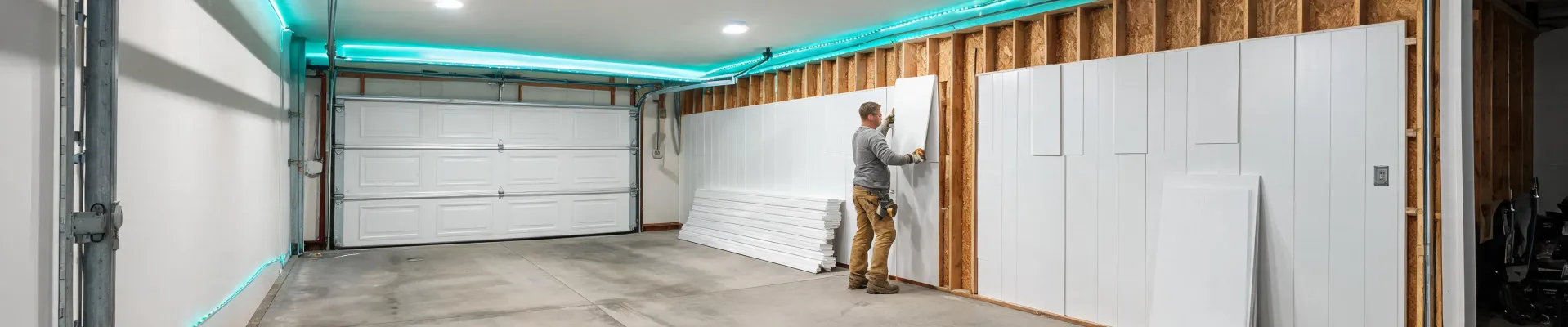
Trusscore panels are a rigid PVC wall and ceiling system. The panels have a tongue-and-groove edge, they go up without glue or joint-compound finishing, and they're practical in rooms where walls get washed, bumped, or exposed to moisture. Acoustic wall panels are the opposite: soft, porous, and usually made from PET felt, fiberglass, or foam in a fabric wrap. Their job is to absorb sound and cut echo.
I don't have hard data on how often buyers confuse the two, but based on how many websites list them side by side, I'm guessing it's not rare.
Which wall panels did your office actually need?
Look, the real question isn't which product is better. It's what is this wall supposed to do? Once we answered that, the product selection was easy.
- If the problem is echo and speech clarity, pick acoustic wall panels.
- If the problem is scuffs, drips, and daily wear, pick a hard, washable surface such as Trusscore panels.
- If you have both problems, you can combine them.
In our office, Trusscore panels went into the corridor, breakroom, and washrooms. Acoustic wall panels went into the conference rooms where people couldn't hear each other on calls. Separating the problems made the choice obvious.
What do Trusscore panels cost vs. acoustic wall panels?
I'll be direct: I don't trust per-square-foot price claims from memory, and you shouldn't either. Pricing changes, freight varies by region, and every project has different trim. I can tell you what our quote said in March 2026—then verify current pricing before you build a budget.
The Trusscore portion of our project covered about 330 square feet in two washrooms and a corridor. The material quote, including trim, was around $2,150 before installation and freight (local quote from March 2026). That lined up with the price sheet Trusscore publishes online, which made my job easier than the quote-only wall systems we looked at.
The acoustic wall panels we selected for the meeting rooms cost more per square foot. But don't read that as acoustic being overpriced. You're paying for a tested sound-absorbing core, fabric finish, and product documentation. Comparing these two on price alone only works if they solve the same problem—they don't.
Buying acoustic wall panels wholesale? Run through this checklist first
Wholesale pricing usually assumes larger quantities, and larger quantities mean you need better documentation. Don't wait for the delivery to ask for it.
- Ask for the ASTM E84 test report before you issue a PO. Commercial spaces often specify Class A fire performance, and the building owner or insurer may want to see the report.
- Confirm the NRC rating applies to the exact panel. An NRC number from a marketing page is not proof. Ask for the test report for that thickness and product.
- Know which core material you're buying. PET felt, fiberglass, and foam panels look similar in photos but differ in price, weight, and impact resistance.
- Clarify freight and damage. Acoustic panels are bulky and surprisingly easy to damage in transit. Ask who inspects the shipment, how claims are handled, and what happens if a carton arrives with crushed edges.
Acoustic wall panels OEM vs. private label: does it matter for a normal office project?
You'll see OEM and private label a lot when suppliers quote acoustic wall panels wholesale. The short version:
- Private label usually means you take the manufacturer's existing product and put your own name or box on it.
- OEM can mean the panel is made to your specification—custom core, fabric, dimensions, maybe your logo.
For an office buyer, the important part isn't the label; it's who owns the claims. If your name goes on the product, you become the first call when someone asks for the fire report, the NRC data, or the warranty. Some distributors do this well, but it's a real responsibility.
We bought standard panels from a manufacturer whose brand has an established spec sheet, rather than going the OEM or private-label route. If your goal is to resell panels, the conversation is different. For a one-time office fix, don't take on brand liability you don't need.
What if I only need a small quantity? Do suppliers treat small orders seriously?
Some wholesale suppliers won't accept orders below pallet quantities. That's a legitimate business model; don't waste time fighting it if your project is small.
What you shouldn't accept is a supplier who goes silent after you mention you only need 10 or 15 panels. That's not a minimum-order problem. It's an attitude problem.
Our first Trusscore order was small: around $600 worth of panels and trim for one utility room. The vendor answered our questions, helped us confirm the order details, and shipped on time. That small transaction told me more about how they would handle the bigger phase than any sales pitch. Small orders are how suppliers earn bigger ones.
What's the one mistake you won't repeat?
Waiting for the fire documentation until after the panels arrived. I ordered acoustic wall panels from a wholesale importer whose quote was about $700 below our primary supplier. It looked like a smart saving until our building manager asked for the ASTM E84 report before installation. The importer had the report, but it took two and a half weeks to dig it out of engineering. The contractor had to reschedule, and the delay cost about $900 in extra labor and re-sequencing. In the end, we paid more for that discount than we would have paid our primary supplier in the first place.
Next time, the documentation request goes into the PO before I sign it. It costs nothing to ask, and it prevents the whole the paperwork is with engineering conversation.