-
What exactly is a Trusscore panel?
-
Are all Trusscore panels the same?
-
What wall panels specifications should I look for before ordering Trusscore panels?
-
How should I evaluate decorative wall panels sourcing options?
-
How do I evaluate commercial wallpaper manufacturers alongside Trusscore panels?
-
Why do quotes for the 'same' Trusscore panels vary so much?
-
What should be in the submittal package for a Trusscore wall or ceiling project?
-
When is paying extra for rush delivery worth it?
Before we get into the questions, a quick note on who's writing this. I'm the quality and brand compliance manager at a building materials distributor. I review every spec sheet before it reaches contractors—roughly 120 a month. Maybe 110, I'd have to check the system. In 2025 I've rejected 11% of first deliveries because of incomplete documentation or specs that didn't match the approved sample. If you're a contractor, distributor, or specifier, this is the practical version of what I'd tell you over the phone.
What exactly is a Trusscore panel?
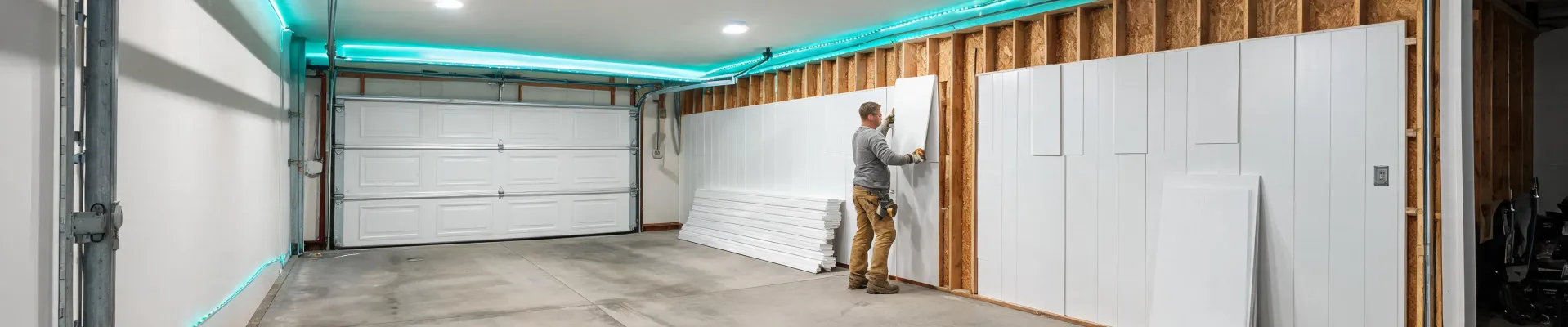
Trusscore makes PVC wall and ceiling panels for interior commercial and residential spaces. The signature product is a tongue-and-groove panel that installs over studs or existing walls, with a system of trims and accessories. From a quality perspective, I think of a Trusscore panel as one component in a system. The panel, trim, fasteners, and spec sheet all have to be consistent. I've seen orders arrive with the right panels but old trim profiles that didn't click into place. The panels were fine. The system didn't work. That's why I ask for the whole system in the submittal package, not just the board.
Are all Trusscore panels the same?
For the most part, no. Trusscore has different product lines for different wall and ceiling jobs: standard wall and ceiling board, slatwall, and specialty panels. Some lines are more impact-resistant; some are designed for areas that get cleaned often; some are more decorative. The panel profile and thickness vary by line. So 'a Trusscore panel' alone isn't enough to approve. The product number plus the spec sheet revision is what gets verified. That's also where sourcing gets interesting. Two distributors may quote the same visual look but different underlying specifications. Compare product numbers, not just appearance.
What wall panels specifications should I look for before ordering Trusscore panels?
When I review wall panels specifications, I'm less interested in marketing language and more interested in numbers. For rigid PVC panels, the spec sheet should include nominal thickness and dimensional tolerances; surface finish, gloss level, and color consistency limits; impact resistance data (ASTM D4226 is common for rigid PVC); surface burning characteristics (ASTM E84 flame spread and smoke developed); and material classification (ASTM D1784 for rigid PVC compounds).
ASTM D1784 matters because not all PVC compounding is the same. It tells you about impact modifiers, heat stability, and weatherability. If a supplier can't tell you the cell class, they probably haven't tested it. Always ask for the full test report, not just the one-page summary. In Q1 2024, a supplier's summary showed an impact rating that the attached report didn't support for the exact profile we quoted. They had used a thicker product's data. The rep didn't catch it. We did.
How should I evaluate decorative wall panels sourcing options?
For decorative wall panels sourcing, I use the same checklist I'd use for a multi-year vendor relationship. Start with documentation: current spec sheet, test reports, and installation instructions. Then request a physical sample from the actual production line—not a display sample. I measure it, flex it, try to scratch it, and hold trim pieces against it. If a supplier won't send a sample that matches the quote, I move on.
Sourcing also means assessing supply chain risk. Ask about order minimums, production lead time, packaging, freight method, and what happens if a shipment arrives damaged. A beautiful panel that arrives with broken edges is a problem, not a product. What most people don't realize is that spec sheets get revised several times a year, and the version on the website may not be the version that ships. Ask for the issue date and compare it to the sample you're approving. (Note to self: turn this into a vendor questionnaire.)
How do I evaluate commercial wallpaper manufacturers alongside Trusscore panels?
Start with the same objective evidence: third-party test data, sample, installation instructions, warranty, and total installed cost. Then add the performance questions: Does the surface handle scrub testing? What chemicals are approved for cleaning? How do seams behave with temperature and humidity changes? What happens when a cart hits the wall at 5 mph? Wallpaper can be excellent in a conference room or a low-traffic boutique. In a hospital corridor or a loading dock, an impact-resistant panel with mechanical installation and cleanable seams is a different category. It's not about which material is 'better.' It's about matching the surface to the actual use and being honest about maintenance.
Why do quotes for the 'same' Trusscore panels vary so much?
Because the scope isn't the same. One quote might include panel, trim, fasteners, submittal documents, and a confirmed delivery date. Another might only be the board, with extras added later. That's like comparing a car price without wheels. If a quote looks far off, ask what's included and what isn't. That ten-minute conversation can save you a three-week change order.
It took me four years and more than one rejected delivery to understand the difference between price and cost. The low base price can look great until you pay for missing documentation, rework, and a missed deadline. In 2023 I ignored my own rule and accepted a verbal 'same as the sample' from a rep. The batch had a visible gloss difference. Replacing those panels cost us about $4,200 in labor. Not fun. Now every contract I touch includes the spec references and a photo of the approved sample.
What should be in the submittal package for a Trusscore wall or ceiling project?
For a commercial project, I expect the submittal package to include the product data sheet with revision date; third-party test reports for relevant standards; installation instructions and fastening pattern; warranty document and exclusions; a written lead-time commitment; and a contact person for technical questions. Nothing is worse than a PDF with no one to call.
If a supplier can't provide these before payment, that's a risk, not a relationship. The submittal package is the record of what you approved. It's also your best evidence if something goes wrong. (I really should publish a public version of this checklist—too many calls about it.)
When is paying extra for rush delivery worth it?
In March 2024, we paid an extra $540 for a guaranteed delivery before a state inspection. The alternative was missing the opening. That wasn't paying for speed; it was paying for certainty.
Rush fees buy a commitment, not just a faster truck. If a supplier can't put a date in writing, 'probably Tuesday' isn't a plan. And if a supplier has already missed deadlines for you, a rush fee won't fix that pattern. For deadline-critical projects, I now put a delivery guarantee line item in the budget. It's easier to explain than a delayed opening.