Last May, a 620-square-foot lobby wall produced my biggest budget surprise of the year. Not because the material was exotic. The specified finish was commercial wallpaper produced through a private-label program. On paper, the job looked clean: $4.25 per square foot material and a total quote around $4,250.
The final invoice was $7,842.
I manage the interior finishes budget at a commercial design-build firm; we spend roughly $1.1 million a year on wall, ceiling, and finish materials. I've tracked every one of those orders for six years. And this particular wall still bothers me, because the quote wasn't wrong. It was incomplete in a way that most wall covering quotes are incomplete.
The wallpaper itself was fine. What wasn't in the quote was the pattern waste, the skim coat, the extra labor hours for matching at the corners, and the fact that the printed material had to be ordered as 750 square feet to cover a 620-square-foot wall. That difference alone added almost $550.
That's the real problem with how we budget walls.
The Invoice That Broke the Per-Square-Foot Habit
Every wall covering supplier hands you a cost per square foot. It feels precise. It feels comparable. It isn't, because a square foot of wallpaper is not a square foot of installed wall. It's a square foot of printed material that still needs a substrate, an installer, a pattern match, and a maintenance plan.
In my experience, the material cost is usually the smallest variable. But it's the only number that gets quoted upfront with confidence.
Let me rephrase that: nobody lies about the material price. They just let you assume it's the whole story.
When I audited that 2025 project, I broke down where the extra $3,592 actually came from:
- Pattern repeat waste pushed the ordered quantity from 620 to 750 square feet.
- The wall required light skimming before installation — a line item no wallpaper supplier mentions because they don't control the substrate.
- Pattern matching at corners and columns added sixteen labor hours, not the eight the installer estimated.
- And the project had a color-match approval delay that compressed the schedule, which triggered a rush charge.
None of those costs showed up in the commercial wallpaper specification guide. The guide described the product beautifully. It said almost nothing about the system required to make that product perform.
Wall Coverings Are Systems, Not Surface Materials
That's the deeper issue. A commercial wall is a system with at least five components:
- The substrate and its current condition.
- The decorative surface material.
- The installation method and labor skill required.
- The waste factor built into the pattern or panel layout.
- The future cost of cleaning, repairing, painting, or removing it.
Most buyers compare option A and option B using only component number two. That's like comparing cars by paint color.
In Q2 2024, I watched our team struggle with a decorative wall panels OEM quote. The panel price per square foot was reasonable. But the minimum order quantity was based on a production run, not our project need. We paid for 1,400 square feet to get 380 installed. The unused material sat in storage for eight months before we finally wrote it off.
That experience — or rather, that expensive lesson — changed how I evaluate every wall product. Now I ask a different question: what does this wall cost per usable year, including repair and refinishing cycles?
Paint is the obvious comparison. A painted wall looks affordable until you model the repaint cycle. Commercial corridors with carts, ladders, and cleaning chemicals don't hold a fresh paint film forever. At some point, you're paying for labor again — and labor is the line item that never goes down. A so-called cheap paint job fails fastest in exactly the areas that get the most abuse.
Commercial wallpaper, to be fair, has legitimate uses. In hospitality settings where the design life is short and the client expects a refresh anyway, it can make sense. The problem is specifying wallpaper where the design life is long and the traffic is rough. Then you pay the aesthetic premium, the installation premium, and eventually the removal premium.
Why This Keeps Happening
It keeps happening because the decorative wall industry sells materials while the buyer is actually purchasing a system. There's no conspiracy behind it. Wallpaper comes from the printing world. Decorative panels come from the manufacturing world. Paint comes from the coatings world. Each industry developed its own pricing model, and none of those models lines up with the others.
So we end up comparing printed material by the square foot, OEM decorative panels by the panel, and paint by the gallon — then wondering why the installed costs don't correlate with the quoted numbers.
What I want specifiers to understand is this: if a supplier can't or won't break down substrate prep, installation labor, waste, and refinishing expectations, then the cost per square foot is just a decoy. It's not a budget. It's a door price.
"The cheap option resulted in a $1,200 redo when quality failed." — that's not a line from a case study. That's a note in my own cost tracking system from 2023, when we let a rock-bottom paint bid win a wall that needed two extra coats and a better primer. The redo cost more than the difference between the low bid and the responsible bid.
What Opacity Costs You
I went back and forth for two weeks before switching our standard corridor specification to a panel system. The custom wallpaper option offered the visual flexibility our designers wanted. The panel system offered predictable cost and durability. On paper, wallpaper made sense for design freedom. But my gut said we were pricing only the pretty part.
Here's what finally convinced me: I built a simple total cost model for a 3,000-square-foot high-traffic corridor. I included material, prep, installation, one repair event, and one full refinishing cycle over ten years. The wallpaper option looked cheaper per square foot and was more expensive per year. The gap wasn't small.
Even after making that decision, I kept second-guessing. What if the client hated the panel look? What if the painted finish on the panels didn't hold up? I didn't fully relax until the first corridor installation went in without a single change order. That never happens with patterned wallpaper in my experience.
The Budget Fix: Price the Wall System, Not the Wallpaper
So what changed in our procurement policy? We now require every wall covering proposal to include five numbers:
- The material cost per square foot.
- The substrate prep allowance.
- The installed labor cost, including pattern or layout waste.
- The expected service life before refinishing or replacement.
- The estimated cost of that refinishing or replacement.
If a supplier won't provide those numbers, we treat the quote as incomplete. That policy alone cut our wall budget overruns by roughly a third over the last two years.
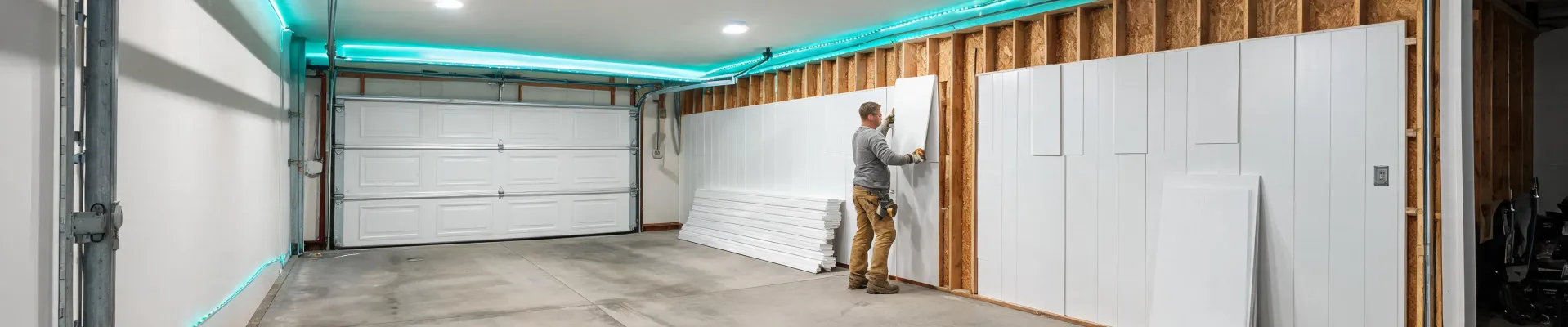
That's also where Trusscore entered our specifications. Not because it's the cheapest wall panel on the market — panels generally cost more than paint per square foot — but because Trusscore makes the system easy to price. The panels, trims, and accessories are specified openly. The installation guide is straightforward. There's no pattern repeat guesswork and no specialty installer premium. And because the panels can be painted, designers keep the color flexibility they normally associate with wallpaper or custom OEM production.
Now, About "Can You Paint Trusscore?"
We get asked that question constantly, usually by designers who love the durability but worry about limited color options. The answer, based on our project experience, is yes — you can paint Trusscore panels. The key is following the manufacturer's surface preparation and paint recommendations. Use the right primer and a compatible water-based acrylic topcoat, and you get a custom color without waiting for a custom production run.
That matters more than most specifiers realize. It means a small project can get the aesthetic of a painted decorative wall with the physical resilience of a rigid panel. You don't need a 5,000-square-foot OEM minimum to get a specific color. You don't need a private-label wallpaper run to get a designer finish.
For small contractors and growing design firms, that's not a minor detail. In my first year of business, the suppliers who treated our small orders seriously are the ones I still call for large projects today. Small doesn't mean unimportant. It means potential.
That's why I now look for wall products with transparent specs and reasonable order quantities. Trusscore publishes its system openly, which makes my job easier and my budgets more accurate. The spec sheet answers the installation questions before they become change orders.
The Bottom Line
Stop pricing walls by the square foot of material. Price them by the square foot of installed, maintained, refinishable wall — per year. The product that looks more expensive on the surface is regularly the cheaper wall over its life.
The next time someone hands you a commercial wallpaper specification guide or a decorative panel sample, ask for the full system cost. If they can't give it to you, you haven't found a wall covering yet. You've only found a material.